

The Digital Opiate Election
The dealers are in charge now

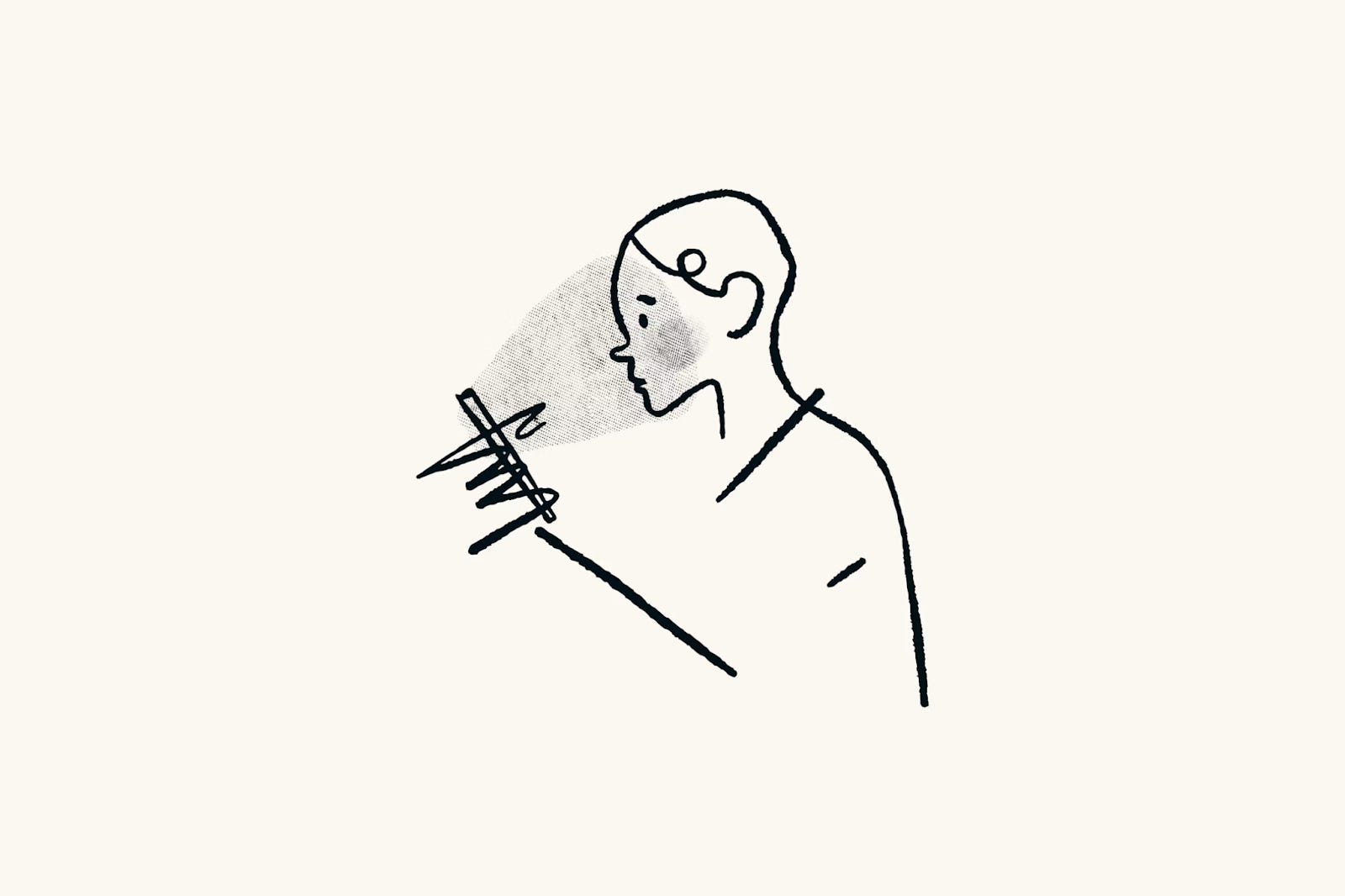
Social media is addictive. We all know that, and this most recent election was won through social media. Legacy media is rapidly dying and more and more (especially younger generations) are getting their news and opinions on politics from sources like TikTok. Then, at Trump’s inauguration, we saw Elon Musk, Mark Zuckerberg, and Shou Chew (CEO of TikTok) front and center. Republicans focused more on a social media presence, while the Democrats focused more on legacy media.
The heads of the social media giants are supporting Trump heavily right now. Musk is (for the time being) head of DOGE, Zuckerberg is now railing against DEI and woke, and Shou Chew is working with Trump to save TikTok.
But all of them are running organizations designed to maximize addiction to their products. So we’ve got a government elected using highly addictive social media, that is allied with the billionaire heads of those social media companies, and will undoubtedly have a strong influence on government decisions and policies. I don’t mean to say that social media in moderation isn’t possible, or that it doesn’t have its benefits. But just consider how many people are spending upwards of 12 hours a day scrolling and it becomes obvious that it really is addictive like a drug. It’s hard to think of this in any way besides the drug dealers being in charge.
The irony of TikTok (maybe the most addictive) being Chinese is just too rich. Just as China was flooded with opium in the 19th century, China is now flooding Western countries with digital opium (and real opiates too).
These are the richest (literally) and most powerful people in the country, and their interests, as social media owners, are not aligned with human flourishing, or national greatness. Some of their other interests, such as SpaceX for example, are aligned with human greatness and flourishing, but underneath those endeavors lies the ugly, addictive, angry, soul-destroying, and society destroying drug of social media.
Arguing that the ultra-rich of the past was more aligned with public interests would be problematic at best, but I don’t think it’s wrong to say that this current appistocracy, as Ken Klippenstein described them, has interests that are uniquely unaligned with individual and national flourishing. Oil barons of old at least peddled energy that’s necessary for the modern industrial state. Railroad tycoons connected people and industries. Andrew Carnegie built factories, made US Steel into the great power of industry in the 20th century, and redirected vast sums of his wealth to philanthropy, building thousands of libraries and schools across the country.
Energy, steel, factories, transportation, philanthropy. However you might feel about the ability of any individual to accrue such incredible wealth, or the way they treated their laborers, or the corruption they were undoubtedly involved in, it is hard to argue that they weren’t part of industries that do at least lead to human flourishing. They enabled the construction of civilization. Social media? It does the opposite. Where the rich of those older industries enabled us to do more, the heads of the appistocracy limit us by sucking away our time, making us angry, destroying our ability to concentrate on anything, and making us lonely.
Overcoming Addictions
What is to be done? I think accepting that social media is a drug is a good start because we can at least begin to treat it like a drug. Right now we treat it like caffeine when perhaps we should be thinking of it like alcohol or cigarettes–some restrictions, especially regarding age, and being addicted to it should be considered socially unacceptable. Western countries do not do this, but China does place restrictions such as age-specific screen time limits and curfews.
“Last year, Beijing mandated a coordinated effort across app developers, app stores, and device manufacturers to create a unified ‘minor’s mode.’ This framework enforces strict rules like age-specific screen time limits, mandatory breaks, and a curfew banning use between 10 p.m. and 6 a.m. These measures are designed to close the loopholes kids have exploited, such as using their grandparents’ accounts to dodge restrictions and indulge in late-night gaming.
Being communist China, the approach extends beyond mere access restrictions. It segments children into age groups, prescribing the type of content they can access. Children under eight are limited to 40 minutes of screen time per day, with content strictly educational.”
Digital spinach: What Australia can learn from China’s youth screen-time restrictions
One major reason we haven’t done this yet is freedom of speech. Restricting a substance is one thing, but restricting someone’s ability to communicate on a medium is another matter. It’s easier to make this case for children, but restricting adult screen time is another matter entirely. This is not an easy problem to solve. It’s made even more difficult by the fact that the drug dealers themselves are literally the wealthiest and most powerful people in the world. They can weaponize their drug to organize opposition to any limitations.
Another possibility, and it’s more of a faint hope than anything, is that social media starts to become old-fashioned, cringe, passé. Everyone today uses it, but maybe the youth of tomorrow will look at us aging addicts and decide their own youth culture should embrace something else. Perhaps even we aging addicts would decide we’re tired of it. But as I said that is a faint hope right now.
Finally, we need to develop stronger resistances to its addictive qualities. This means we need to train ourselves to be more virtuous towards ourselves. This too is a rather faint hope, but it is a hope. Before we blame people of today for becoming so addicted I think it’s important to understand that there has likely never before been a period in human history so filled with addictions designed, with scientific rigor from the ground up, to be addictive. Medieval peasants had few distractions, no phone in their pocket lighting up, no likes and notifications popping up all the time.
Us moderners are not uniquely weak to our addictions. We’re uniquely assaulted like never before. The only way forward I can foresee is we do this combination of forcibly reducing the addictive qualities of social media, and we develop psychological tools to make us virtuous enough to overcome them.
Separation of Powers
Something else to consider is to think about the separation of powers in society. The modern democratic state, and especially the United States, is organized around the concept of separating powers. The law makers are separated from the executors of the law who are then separated by the enforces and judges of the law. The media is not state run but independent as well. By separating these powers from each other it means no one can gain too much power and become tyrannical because they all act as a check on each other (at least that’s the theory).
But as legacy media dies, and we increasingly get our news from social media we’re running into a problem: the separation of media and knowledge dissemination of what’s happening in the world, our governments, and communities is becoming absorbed by the drug dealers who are… now heavily aligned with the head of state. The separation of powers is dying.
Perhaps then we need to think about ways to force them to separate once more. The heads of social media organizations should want to hold government accountable, not attend the president’s inauguration, work in the Whitehouse, and make backroom deals. Keep the drug dealers turned media owners away from state power.